How Writing Saved My Life
Finding My Voice Through the Safety of Words
Some people are born with the gift of words flowing effortlessly from their lips. I am not one of those people.
I am the child who learned that speaking up meant stepping into a minefield, never knowing which word might detonate everything around me.
Growing up, I watched one parent’s rage rise like a sudden storm — unpredictable, devastating, and somehow always my fault for saying the wrong thing at the wrong time. A simple homework question could trigger hours of screaming. An innocent observation about something I saw on TV could unleash fury that would echo through the house for days, leaving everyone walking on eggshells in its wake.
The other parent, well-meaning and desperate for calm, would find me afterward in my room, tears still wet on my cheeks, and whisper the words that would shape decades of my life: “It’s better to keep the peace, sweetheart. Sometimes it’s better not to say anything.”
Keep the peace. Those three words became my prison.
So, I learned to swallow my words like bitter medicine. I learned to choke down my thoughts, my questions, my needs. I became a master of reading the room, of sensing the exact moment when speaking would be dangerous, when my voice might shatter the fragile quietness.
But here’s what no one tells you about keeping the peace: it’s not peaceful at all. It’s suffocating. All those unspoken words don’t just disappear — they pile up inside you like stones, growing heavier each day until you can barely breathe under their weight.
I became a ghost in my own home, present but not really there, watching life happen around me but never quite feeling safe enough to fully participate. Even my thoughts felt dangerous, as if thinking too loudly might somehow give me away.
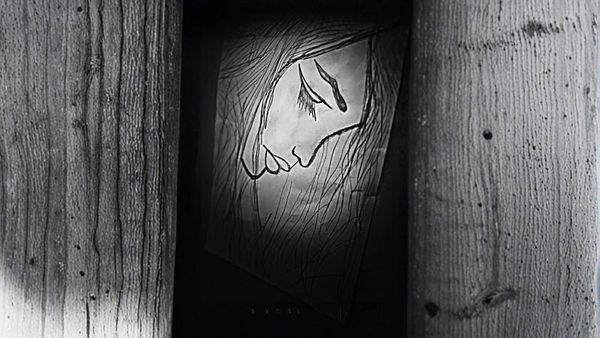
The deep wound of it all wasn’t just the fear of speaking — it was the slow, crushing realization that my voice, my thoughts, my very existence felt like a burden to the people who were supposed to love me unconditionally.
That’s when I found writing, or maybe writing found me.
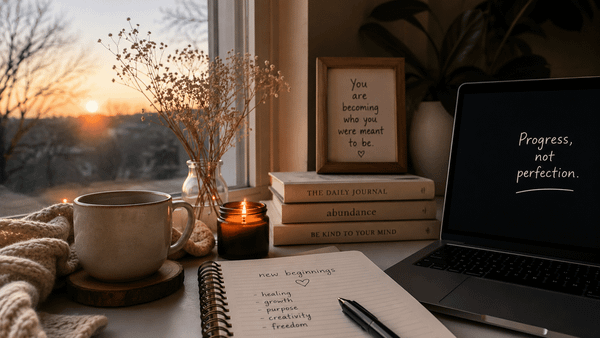
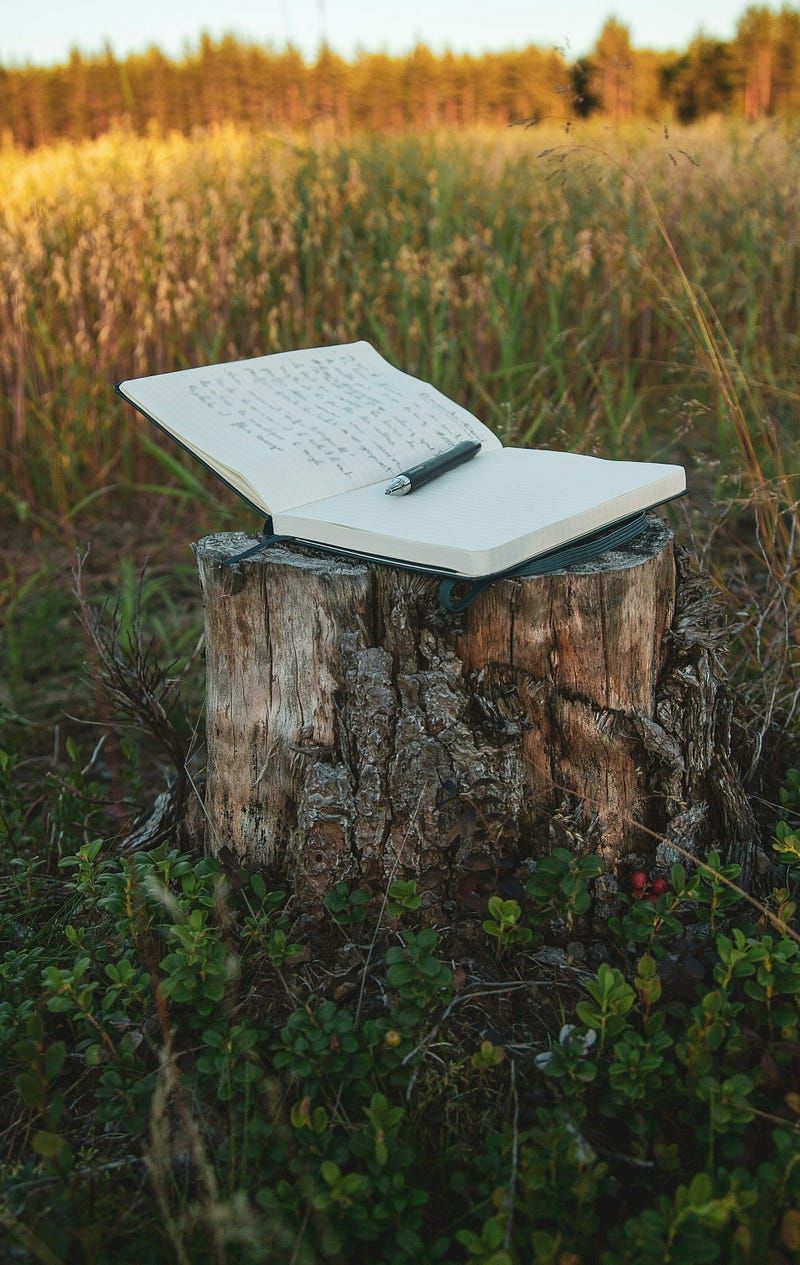
It started with a composition notebook, hidden under my mattress like contraband. Late at night, when the house finally settled into an uneasy quiet, I would pull out that notebook and let everything pour onto those pages — all the words I couldn’t say, the rage I wasn’t allowed to feel, the desperate loneliness of a child who had learned that existing was somehow too much.
Those pages became my confessional, my therapist, my best friend. They held my secrets without judgment, received my tears without consequence. For the first time in my life, I had found a place where I could be completely, authentically myself without fear of retaliation.
The relief was overwhelming. It was like finally exhaling after holding your breath for years.
Writing didn’t fix everything overnight. The wound runs deep, carved by years of learning that my voice was dangerous, that my thoughts were unwelcome, that peace was more important than my truth. Even now, decades later, I still hear that voice: “It’s better to keep the peace.”
But writing taught me something revolutionary: I could speak my truth without destroying everything around me. I could be angry, hurt, confused, or joyful on paper, and the world wouldn’t end. My parents wouldn’t rage or plead for quiet. The house wouldn’t fill with tension so thick you could cut it with a knife.
Through writing, I began to reclaim pieces of myself I’d been forced to abandon. I found my opinions, my voice, my right to take up space in the world. Every word I wrote was an act of rebellion against the silence that had been imposed on me, a declaration that I existed and my thoughts mattered.
Even now, as an adult who has built a life around words, I still struggle. In real-time conversations, I still freeze sometimes, that old fear rising in my throat like bile. I still catch myself calculating whether speaking is worth the risk, still feel my body tense when voices are raised, and still instinctively retreat into myself when conflict appears.
There are days when I am asked simple questions, and I feel that familiar panic — what if I say the wrong thing? What if my words make everything worse? What if it would be better to just keep the peace?
The wound is still there. Some days it’s a dull ache, barely noticeable. Other days it throbs, fresh and raw as ever. But writing continues to be my salve, my sanctuary, my way back to myself when the old fears threaten to swallow me whole.
Writing saved my life, not because it made me famous or successful, but because it gave me back my voice when I thought it was lost forever. It taught me that my thoughts have value, that my pain deserves acknowledgment, and that my joy deserves celebration.
It showed me that there are many ways to speak your truth, and none of them are wrong. Some of us need the safety of the page, the ability to choose our words carefully, to think before we express, to communicate without immediate confrontation. There’s profound strength in that, even if the world doesn’t always recognize it.
Through writing, I learned that keeping the peace and speaking your truth don’t have to be mutually exclusive. You can honor both your need for safety and your right to exist fully in the world.
If you’re reading this and you recognize yourself in my story — if you, too, learned that your voice was too much, too risky, too likely to disturb the peace — please know that your silence was never weakness. It was survival. And your eventual speaking, in whatever form it takes, is an act of incredible courage.
Your words matter. Your truth matters. You matter.
Whether you find your voice through writing, art, music, or eventually through speech itself, the important thing is that you find it. That you reclaim what was taken from you, piece by careful piece.
Writing saved my life by teaching me that I was worth saving. It showed me that the child who learned to swallow her words deserved better than a lifetime of silence. It gave me a way to honor both my need for peace and my right to exist fully, authentically, courageously in the world.
Some wounds never fully heal, but they can become sources of strength. The deep ache of learning to silence yourself can transform into the fierce joy of finally, finally finding your voice.
For me, that voice lives in words carefully chosen and lovingly arranged on a page. And that has been enough to save me, over and over again.
That continues to be everything.