Socially Approved Silences
Grief without a timeline, recovery without redemption arcs, and the truths we’ve agreed to ignore

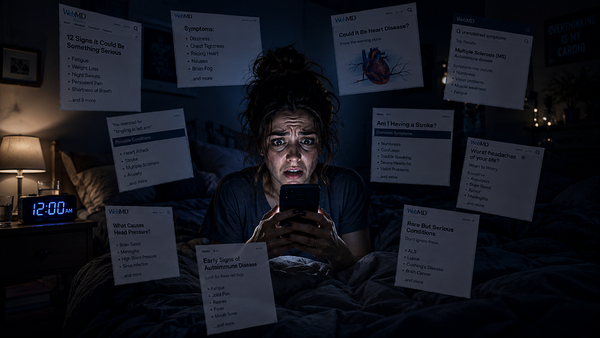
Everyone is carrying something, and most of us have learned to hide it beautifully.
Not secrets. Not trauma confessions. Just the smaller things. The socially approved silences. The things everybody sees but politely steps around like emotional dog shit on the sidewalk.
Nobody talks about these things directly because modern life runs almost entirely on managed discomfort. We hint. We imply. We post inspirational quotes over blurry sunsets instead of saying what is actually happening to us. We are a deeply emotionally constipated species with excellent lighting and Wi-Fi.
And honestly, I understand why. Some truths change the temperature in the room the second they’re spoken aloud.
Like how most people don’t really know how to respond to pain unless it’s packaged neatly and resolved quickly. Or how loneliness can make a person physically strange. Or how recovery doesn’t turn you into a glowing phoenix so much as a raccoon digging through the emotional garbage at 2 a.m. looking for a stable identity. Those things. The quiet realities. The ones we all recognize in each other but rarely acknowledge directly.
Like how grief has an expiration date nobody admits exists.
At first, people show up. They bring food. They check in. They use soft voices. But eventually the world starts subtly nudging you forward. People stop asking how you’re doing because there’s an unspoken expectation that you should be “better” now. As if grief is a flu you were supposed to sweat out over a long weekend.
Nobody says, “Your sadness is making me uncomfortable.” But you can feel it leaking through the cracks of conversations. You notice how quickly people change the subject after you answer honestly. You learn that “How are you?” is often just a socially acceptable sound people make before discussing themselves.
And then there’s addiction.
People love stories about recovery. They clap for before-and-after photos. They adore resilience once it becomes inspirational content. But the middle part? The repetitive, ugly, frustrating middle? Not so much.
The middle is inconvenient. It’s relapsing in your thinking before you relapse in your behavior. It’s apologizing for versions of yourself you barely recognize. It’s sitting with emotions you used to tranquilize immediately. Recovery is deeply uncool while it’s happening. Nobody posts “Day 46 of feeling emotionally unskinned and irrational.” And yet that’s often the real work.
The strange thing is that people claim they want honesty, but what they usually want is honesty after it has completed processing. Honesty with a lesson attached. A redemption arc. A clean ending. Raw truth makes people itchy. Especially if it reminds them of something unresolved in themselves.
We also pretend not to notice how lonely adulthood actually is.
Not aesthetically lonely. Not rainy-window-with-coffee lonely. I mean the kind where you suddenly realize there are people you love deeply who no longer know your daily life at all. The kind where everyone says, “We should get together soon,” and both of you understand this is now a ceremonial phrase instead of an actual plan.
Friendship drift is one of the saddest parts of growing older because nobody teaches you how to grieve people who are still alive. Sometimes nobody did anything wrong. Life just slowly rearranged itself around exhaustion, work schedules, marriages, survival, caregiving, burnout, mental illness, distance, and time. One day you look up and realize someone who once knew every detail about your life now reacts to major news with “Wow, I had no idea.” That hurts in a very adult way.
We also pretend not to notice how uncomfortable people become when you stop performing the version of yourself that benefited them. Especially women.
A woman can be exhausted, grieving, overwhelmed, financially stressed, mentally drowning; but the second she becomes visibly angry, people act like she has released a live tiger into the room. Sadness is acceptable. Anger is treated like a character flaw. But anger is often just grief with adrenaline. Sometimes it’s the healthiest thing in the room. Sometimes anger is the part of you that finally understands you deserved better.
And that realization changes people. Healing changes people too, which is another thing we pretend not to notice.
We talk about healing like it transforms everyone into soft-spoken candle owners who use words like “alignment.” Sometimes healing makes you less tolerant. Less willing to shrink yourself. Less willing to absorb disrespect politely. Less interested in fake intimacy and emotionally unavailable people with good vocabulary. Sometimes healing makes you harder to manipulate. That version tends to surprise people. Especially the ones who preferred you exhausted.
And maybe the strangest silence of all is this: most people are carrying far more than they let anyone see.
The cheerful friend. The funny one. The hyper-productive person. The one always checking on everybody else. You never really know what someone is surviving privately while answering emails and buying groceries and saying “I’m fine” in a completely convincing tone.
Human beings are unbelievable actors. We learn early which emotions are socially acceptable and which ones make the room go cold. So we adapt. We water ourselves down. We make jokes instead of confessions. We say “busy” instead of “falling apart.” We say “tired” instead of “deeply overwhelmed by existence.”
And sometimes that’s necessary. Survival has always required performance to some degree.
But I think part of becoming fully human is learning to notice what everyone else has agreed to ignore. The tension in someone’s voice. The loneliness hidden inside humor. The grief disguised as irritability. The exhaustion hidden under competence. The quiet truths. The socially approved silences. The things we pretend not to notice because acknowledging them would require us to become more honest, more uncomfortable, and probably kinder than we currently are.
Jen Marie writes about recovery, relationships, mental health, and the absurdity of modern life. Find more of her work and social channels at Beacons