The Parts of Ourselves We Keep in Draft Form
An essay about emotional editing, self-protection, and the exhausting effort of remaining readable to other people.
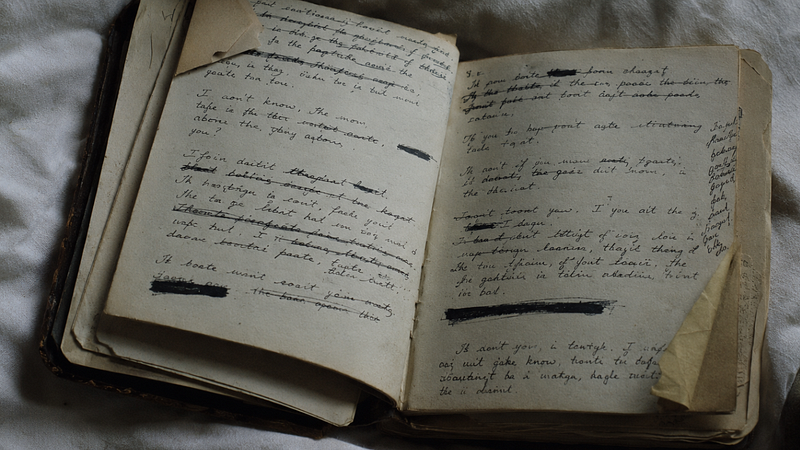
I don’t think most people are lying about who they are. I think they’re editing. There’s a difference.
Lying is inventing something false. Editing is deciding which truths are safe enough to leave in.
Most of us learn this gradually. You say too much once and watch someone’s expression change. You admit fear and feel the room tighten. You become inconveniently emotional around someone who only liked the easy version of you. So eventually you start trimming. Not dishonestly. Strategically.
You learn how to tell stories about yourself that are technically true while carefully avoiding the parts that still ache when touched. You become fluent in omission. I think a lot of people move through life like heavily revised manuscripts — entire sections removed for readability, certain emotions softened, certain experiences translated into language that won’t alarm anyone. We learn how to make ourselves digestible. Not fake. Just easier for other people to hold.
Mine is competent. Funny. Self-aware enough to seem emotionally honest without exposing anything too raw in real time. I can talk about pain once I’ve organized it into something reflective. I can explain difficult experiences after they’ve been cleaned up and given structure. But confusion? Need? Fear while it’s still happening? That version rarely leaves the editing room.
Because many of us learned early that unfiltered emotion changes how people respond to you. Sometimes vulnerability was used against you later. Sometimes people disappeared the second you became difficult to manage. Sometimes love felt conditional on how agreeable, useful, funny, low-maintenance, or emotionally convenient you could remain. So eventually you learn restraint.
You stop saying the thing you really mean. You translate anger into sarcasm. Loneliness into independence. Exhaustion into “I’m just busy.” You become skilled at presenting an emotionally functional version of yourself while quietly carrying things that never make it into conversation. And after enough years, the edited version starts feeling official.
That’s the strange part. Most people can no longer tell where their personality ends and their adaptations begin. The person who never asks for help may not actually prefer independence. The funny person may simply know humor keeps other people comfortable. The emotionally composed person may just have learned very young that visible distress came with consequences. Some traits are not expressions of self. They are negotiations with past experiences.
But the world rewards edited people. The easygoing version gets invited back. The productive version gets praised. The emotionally restrained version gets called mature. The self-sacrificing version gets called dependable. Meanwhile the human underneath is often exhausted from maintaining a version of themselves designed for public consumption.
There is a specific loneliness that comes from being known mostly through your most manageable qualities. Not because people are cruel — most of them genuinely believe they know you. But they only know the version that survived review. The polished draft. The emotionally proofread edition.
And honestly, sometimes we participate in this so automatically we forget we’re doing it. We call it personality. We call it maturity. We call it “just how I am.” When maybe it’s simply the shape we became to remain acceptable.
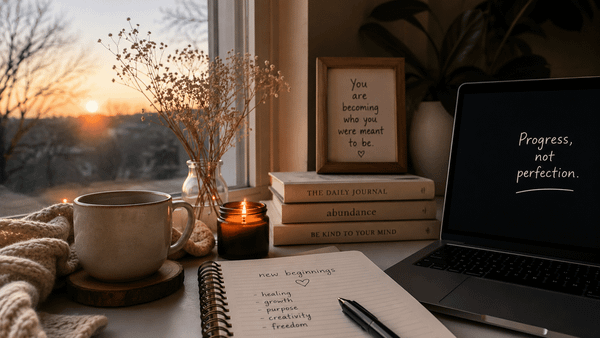
The internet has made this even stranger. We now perform vulnerability with remarkable precision. People share trauma in aesthetically pleasing fonts over soft lighting and background music. We confess carefully. We bleed selectively.
Even honesty has branding now.
And to be fair, I understand why. Raw emotion is uncomfortable. Unprocessed grief makes people nervous. Neediness is treated like contamination. The world rewards people who can suffer quietly while remaining pleasant to interact with. So people adapt accordingly.
But eventually every adaptation deserves examination. Not public exposure disguised as healing; the internet already has enough bleeding people calling it growth. I mean private honesty. The kind that happens quietly when nobody is clapping for your self-awareness. The kind where you ask yourself difficult questions.
What emotions have I edited so heavily they no longer feel accessible? What parts of me only exist privately? How much energy does it take to remain readable to everyone around me? And who might I become if I stopped treating every interaction like something requiring revision?
I don’t think healing means becoming completely unfiltered. Human beings need privacy. Boundaries matter. Not every thought deserves public access. But I do think there is freedom in no longer needing to constantly rewrite yourself for approval. In saying something honest before it becomes polished. In allowing contradiction to exist without immediately trying to package it into wisdom. In admitting you are still becoming someone instead of pretending the final version already exists.
Maybe that is the real exhaustion so many people feel now. Not just pain itself, but the endless labor of managing how pain appears to others. The constant editing. The careful presentation. The pressure to remain understandable while carrying things that aren’t.
And maybe healing begins the moment you stop asking: “How can I make this version of myself easier for other people to accept?” And start asking: “What parts of me have never been given permission to exist unedited?”
Jen Marie writes about recovery, relationships, mental health, and the strange absurdity of being human. Explore more at my Beacons