The Sweetest Manipulation I Never Saw Coming
What being with a covert narcissist taught me about trust, control, and myself

You know, I used to think narcissists were easy to spot. Loud. Arrogant. Always needing attention. The type who walks into a room and immediately tries to dominate it. I thought, “Yeah, I’ll see one coming a mile away.”
But then I met someone different.
They weren’t loud. They didn’t brag or take up space in obvious ways. They were quiet, kind of shy even. Thoughtful. Deep. Sensitive. The kind of person who seems like they’ve been hurt, maybe misunderstood their whole life. I didn’t realize it right away, but that was the beginning of my experience with a covert narcissist. And let me tell you — it was a completely different kind of damage.
This version of narcissism hides in plain sight. There’s no yelling or boasting. No flashy manipulation. Just quiet control. Subtle emotional twists. A slow unraveling that you don’t see happening until you’re already tangled up in it.
So, what exactly is a covert narcissist?
If I had to describe it in one sentence: it’s someone who desperately craves validation and control — but hides it behind a mask of sensitivity or vulnerability.
They might seem like they hate attention, but deep down, they want to be admired. They want to be the one you revolve around. And they’ll find soft, sneaky ways to make that happen.
At first, they might play the victim. Maybe they’ve had a hard life. Maybe they’ve been “burned” by everyone else. You feel bad for them. You want to be the one who treats them better than the rest of the world has.
And honestly? That’s exactly what I thought I was doing.
The relationship starts almost dreamlike
In the beginning, they’re charming. Sweet. Attentive. You feel seen, really seen. They say the right things. They ask thoughtful questions. They tell you they’ve never felt this way about anyone before. And you believe them. Why wouldn’t you?
They open up quickly, sharing deep, emotional stories. They make you feel like you’re a part of something special. It’s intense, but in a good way — or so it seems. You connect fast. Too fast.
Looking back, that phase wasn’t about love. It was about hooking me in. Creating a bond so tight that when things started to shift, I’d already be too emotionally invested to pull away.
Then things slowly begin to change
It didn’t happen overnight. There was no huge fight or dramatic betrayal. It was little things. A sarcastic comment that made me feel small. A moment where I opened up and they laughed or dismissed it — an argument where they completely twisted the facts and somehow made me feel like the bad guy.
And then the coldness would come.
They’d suddenly pull away — emotionally distant, no explanation. And when I asked what was wrong, I’d get something vague or worse, be told I was “too sensitive.”
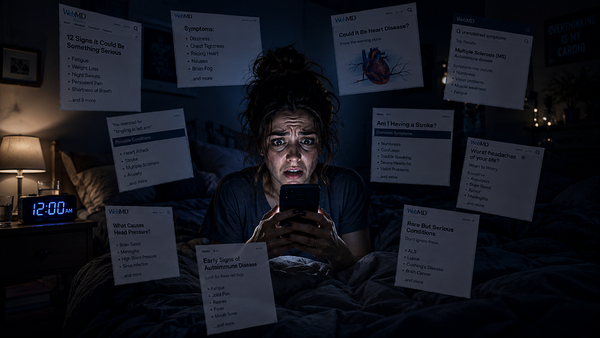
I started questioning myself constantly. Was I overreacting? Did I say something wrong? Was I being needy? It’s like I was stuck in a fog.
That’s what covert narcissists do. They chip away at your confidence, not through screaming or violence, but through quiet erosion. They twist reality in small ways — gaslighting you — until you start to doubt your own instincts.
And control? It’s there, just not how you expect
It’s not always about telling you what to do. Sometimes it’s subtle guilt trips. Or raising an eyebrow when you mention a friend. Or acting hurt because you didn’t text back fast enough. It creeps in slowly, until your world starts revolving around how to keep them happy. How to avoid upsetting them.
That’s when I realized I was walking on eggshells in my own life.
I wasn’t thriving. I wasn’t even really living. I was trying to survive the relationship without triggering their next mood or withdrawal.
The emotional toll is real
If you’ve ever been in a relationship with someone like this, you know how confusing it gets. You might feel like you’re losing yourself. You start to feel isolated — because when you try to explain what’s happening to others, it’s hard to put into words. Nothing seems that bad on the surface, right?
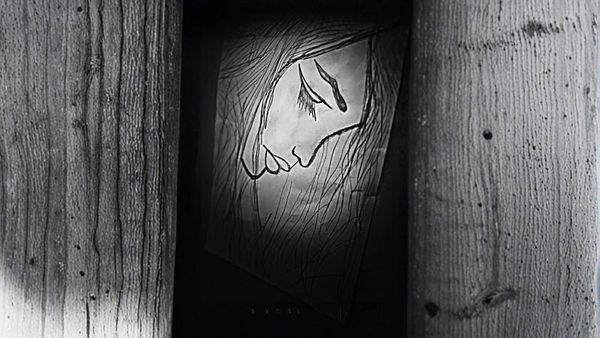
But inside, you’re unraveling.
You doubt yourself. You feel anxious. Exhausted. Uncertain of your own judgment. You might even start to believe that everything wrong in the relationship is your fault. That’s what happened to me.
And all the while, they continue dodging responsibility, acting like the victim while keeping you tangled in guilt, shame, and confusion.
So… what do you do?
Well, for me, it started with admitting something felt wrong. I didn’t need dramatic proof. I just had to trust the feeling in my gut — that quiet voice that had been whispering all along: This doesn’t feel good.
Then I talked to someone. A friend. Then a therapist. I started learning more about narcissism, especially the covert kind. And slowly, things started to make sense.
I set boundaries. I started putting my emotional health first. I learned that love isn’t supposed to be this confusing or conditional. Real love doesn’t make you shrink. It doesn’t twist your emotions. It doesn’t make you doubt yourself.
If this sounds familiar, please hear me:
You are not crazy. You are not overreacting.
You are allowed to want clarity, kindness, and consistency.
You deserve peace. You deserve honesty. You deserve to feel safe.
Healthy relationships are built on mutual respect, on empathy, and on care. Not just the word, but the feeling. The action.
If any of this feels familiar, I hope you’ll keep exploring. Learn more, reach out to someone, and trust yourself. You don’t have to stay in something painful just because it started off feeling right.
You can walk away. You can heal. You can grow.
And I promise — there is love out there that doesn’t come with confusion attached.